By Judie Brown
Our nation is at a crossroads, sandwiched between two countries with starkly different political scenarios on the subject of taking the lives of persons deemed unworthy to live.
To our south is Mexico, a nation currently enmeshed in debate about whether or not to decriminalize euthanasia. In response to such deadly efforts, the Archdiocese of Mexico City issued an editorial entitled “The Good to Die and the Myth of Euthanasia,” in which the archdiocese warned that “we would be at risk of validating totalitarian and eugenic ideologies that have existed throughout human history and have caused so much harm, discarding the lives of millions that ‘weren’t worth living.’” Further, according to Catholic News Agency, “The editorial called it ‘a major error from an anthropological, legal, and human rights perspective’ to believe that the Mexican Constitution ‘only protects a life with dignity,’ while ‘life that involves pain and suffering is considered unworthy’ of the person.”
While the prelates in Mexico echo the words of many people around the world who revere and respect the sanctity of life, we have noticed a creeping slide toward heightened levels of disrespect for the human person. It would be foolish for American pro-life people to ignore this trend.
If we turn to Canada—our neighbor to the north—we find that after 10 years of legally protected euthanasia, the situation is dire. According to one report, “Euthanasia accounts for nearly 1 in 20 deaths in the country, with 15,343 people euthanized by medical officials in Canada in 2023, out of a total of just under 20,000 requests.”
As disconcerting as this is, we know from years of battling the culture of death in the United States of America that many people find it easier to impose death on themselves or others rather than entrust their lives to the will of God, regardless of the pain and suffering that may occur.
Returning to Canada, we find one particularly chilling case that underscores the problem. Canadian Benjamin Turland revealed that both of his grandmothers died from Medical Assistance in Dying within two months of each other.
During an interview, Turland talked about the proper way to approach the question of dying with elderly family members. He “encouraged expressing love and a desire to spend every last moment possible with them.” He explained that by doing so, these family members will then “feel so loved by you, that you want to be with them to that last breath—and so you can’t lose anything by telling them how much you love them and you want to be with them.”
Turland’s bittersweet words address the need for the foundational principle that motivates pro-life work: unconditional love for life!
The reports from Mexico and Canada provide a valid comparison for those of us in America who struggle in each of our 50 states to focus attention on human dignity, which is always a gift and never a burden. In our throwaway society, this reality is sometimes very challenging but always necessary.
Americans are no different than our Mexican and Canadian brothers and sisters. But for us, the challenge is to sort out the truth, separate the poisonous rhetoric of the death peddlers, and never stop standing in the gap.
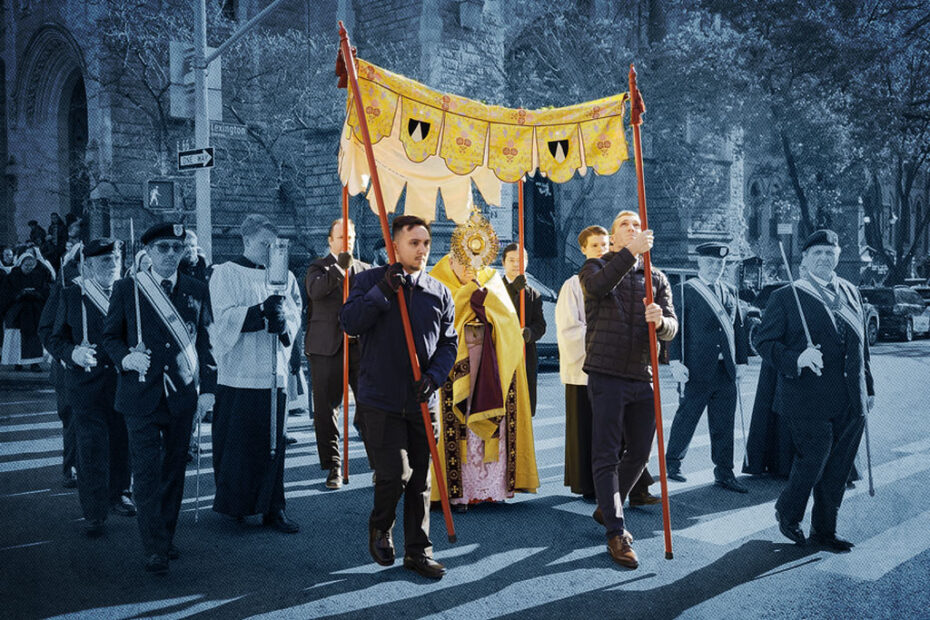
Our pro-life imperative commences from our hope in the Lord. Pro-life Americans have a Father who stands with us at every moment. We thought about this when we learned that thousands of Americans walked through the streets of Manhattan during rush hour in New York, praying and venerating Christ’s real presence in the Eucharist. Therein resides the imperative.
At the end our day, every day, it is not whether we won or lost that should matter, but whether we did our best to serve Christ in word and deed. The battle rages, and we rely on these profound words written by Saint Paul to the Romans, “Love can cause no harm to your neighbor, and so love is the fulfillment of the law.”
That is the only pro-life imperative that matters.