By Susan Ciancio
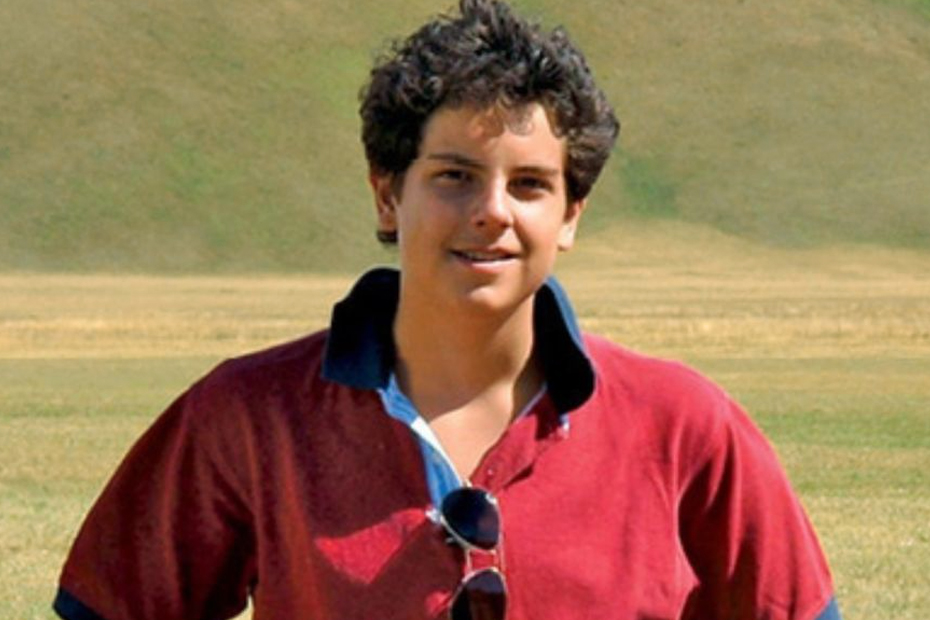
Carlo Acutis was an extraordinary young man who died at the age of 15, but he accomplished more in those 15 years than most accomplish in an entire lifetime. On September 7, he will be canonized, and we can officially call him St. Carlo Acutis.
Born in London, but raised in Milan, Carlo exhibited an immense love for Jesus and our Blessed Mother from a young age. His mother remembers that, at age four, Carlo would pick flowers to present to a statue of Mary and would kiss Jesus on the crucifix. As Carlo grew, so did his faith. After he received his First Communion, he said the rosary every day and went to daily Mass. He voraciously read books about the Catholic faith, and he often journaled his thoughts and beliefs about God, Mary, the saints, and Church teaching.
Carlo was extremely bright and eventually found his passion in computer programming. He combined this love with his love of Christ in the Eucharist, which led him to create a website cataloging Eucharistic miracles around the world.
“The Eucharist is my highway to heaven,” Carlo often said. He rightly understood that the Eucharist truly is Jesus Christ and that it not only transforms lives but gives us a foretaste of heaven. He wanted others to understand this as well, and he wanted to share these miracles with people around the world.
Carlo liked to have fun with his friends and do “normal” kid activities—like play sports and video games—but all who knew him could see the holiness he exhibited. Carlo lived his faith every day, and he wanted everything he did to give glory to God. His actions and the way he treated others made him extraordinary.
For example, Carlo taught catechism classes at his church because he loved being part of the faith formation of young children. He always encouraged his friends to follow Christ, to speak kindly, and to help others, and he lived the lessons he taught. In fact, his love of the faith not only caused his parents to return to the Church but helped many others convert as well.
Carlo never hesitated to talk to his friends and classmates about morality, about the sanctity of life, and about the importance of fidelity in marriage. Additionally, he and his mother often volunteered with the homeless, and there were many times when Carlo would give his lunch to a hungry peer in school or offer his dinner to a homeless person.
In My Son Carlo, a book written by his mother, Antonia Salzano Acutis, she spoke of his wisdom, his faith, and his incredible kindness to others, especially the homeless. She explained, “With his allowance, he bought insulated dishes and small thermoses and each time he saw that there was a homeless person there [near their house], he went outside and brought him or her part of his dinner, some fruit, some cookies or bread, and hot drinks. When he could, he gave them clothing.”
Carlo received an allowance each week from his parents, but he never wanted to spend it on himself. Antonia wrote that at one point he asked if he could buy sleeping bags with the money he had saved so that the homeless did not have to sleep on cardboard boxes.
Antonia offered many other examples of his generosity and his care for “the least of these,” illustrating his immense love for those around him. For instance, he once took two hungry children shopping for food, he regularly visited the sick in hospitals, and he made sure a mentally ill woman got the physical and mental health treatment she needed.
His mother explained that Carlo also befriended a classmate who had motor difficulties and a learning disability, and he often brought the child home to play. He would help him in school and made him part of his friend group.
But it wasn’t just his generosity and kindness that set him apart from others, it was his immense faith. His mother wrote that he often offered up Masses to help those going through difficult times. She explained, “He worried a lot if he saw people that were far removed from God, and he immediately started to pray for them. He said that if Providence had placed them near him, it was so that he would say prayers of intercession for them.”
She went on to say that Carlo “obtained healing for many sick people, including a woman who was not only sick but also far removed from the faith.” This woman had not been to church in over four decades. After Carlo began praying for her, she began to heal but she also returned to Mass and started to live a holy life.
Antonia explained that Carlo firmly believed all that the Church taught, even when it set him apart from others or caused him ridicule. She wrote, “Carlo’s religion teacher told us how he shared the Church’s position on abortion and passionately defended the value of unborn life. During religion class, there was an animated discussion, and Carlo was the only one who stated that he was against abortion. He was not afraid to go against the current.”
He was also unafraid to speak out in defense of chastity. She explained how the mother of a friend of Carlo’s related that she saw how “pure” he was. Antonia wrote, “Carlo was convinced that living a Christian life spread great values and helped people become better and more altruistic. Even when it came to the Christian proposition regarding moral life, Carlo was not afraid to express his convictions when it came to purity and premarital sex. One day, he told her that he was deeply convinced of the beauty of spending an engagement chastely, just like he was very decidedly opposed to abortion.”
At age 15, Carlo became sick. At first, his parents thought he had the flu, but when his sickness didn’t improve they took him to the doctor, where they found that he had an aggressive form of leukemia. Antonia explained that she believes Carlo had been suffering inwardly and silently even before he exhibited outward signs. She said that he would never complain and liked to offer up his sufferings for sinners.
Carlo died just a couple weeks after his diagnosis, and though he was in a lot of pain and knew that he would soon die, he offered up his sufferings for the Church and for Pope Benedict. He told his mother: “I die happy because I did not spend my life wasting my time on things not pleasing to God.”
Carlo Acutis lived a beautiful but short life, and it’s clear that he truly did not waste a moment on things that displeased God. While not many of us can say that, we can all resolve to make changes in our lives—to treat others better, to follow God’s commands, to unapologetically follow Church teaching, and to take steps to strengthen our faith. This is what Carlo hopes for all of us. And it’s what God commands of us, if we want to spend eternity with Him.
So as we approach the canonization of the first Millennial saint, let us use his life as an example of how to live and not waste time, let us seek his intercession, and let us promise God that, like Carlo, we will glorify Him in all we do.
Carlo Acutis is a phenomenal example to today’s young people, as he lived a life focused on God and on doing good for those around him. Teach your teens about him with our lesson booklet entitled St. Carlo Acutis: Extraordinary in the Ordinary. You can download it today as you prepare for his canonization!